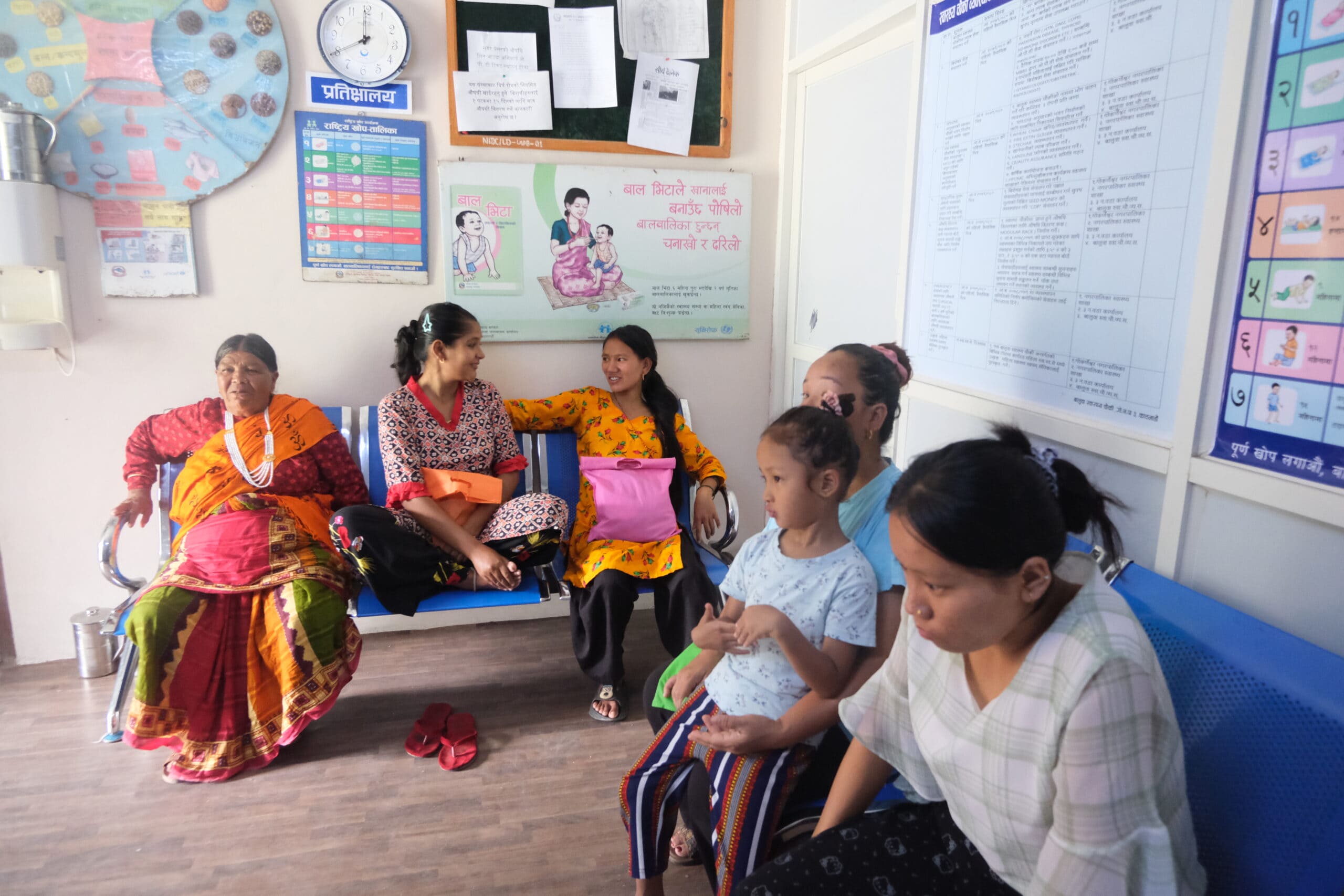
A healthy life begins with a mother who is informed, supported, and cared for. This April, that vision took a meaningful step forward in Ward No. 3 of Gokarneshwor Municipality, where a new chapter of Akasha Care officially launched with new prenatal and postnatal care and cervical cancer screenings. Now, months later, it has grown into a program the community can rely on.
A community that needs care
Across Nepal, the gaps in maternal and reproductive health remain stark. In Ward No. 3 specifically, a local needs assessment by Baluwa Health Post found that many women — particularly those who have migrated from other regions — face irregular access to antenatal and postnatal check-ups, shaped by limited economic means and limited education, with only minimal reproductive health services available locally.
The Safe Motherhood initiative exists to close that gap: bringing regular, quality maternal and reproductive health care directly into the community, and creating a space where women can access the information and support every mother deserves.
Training women to lead the way
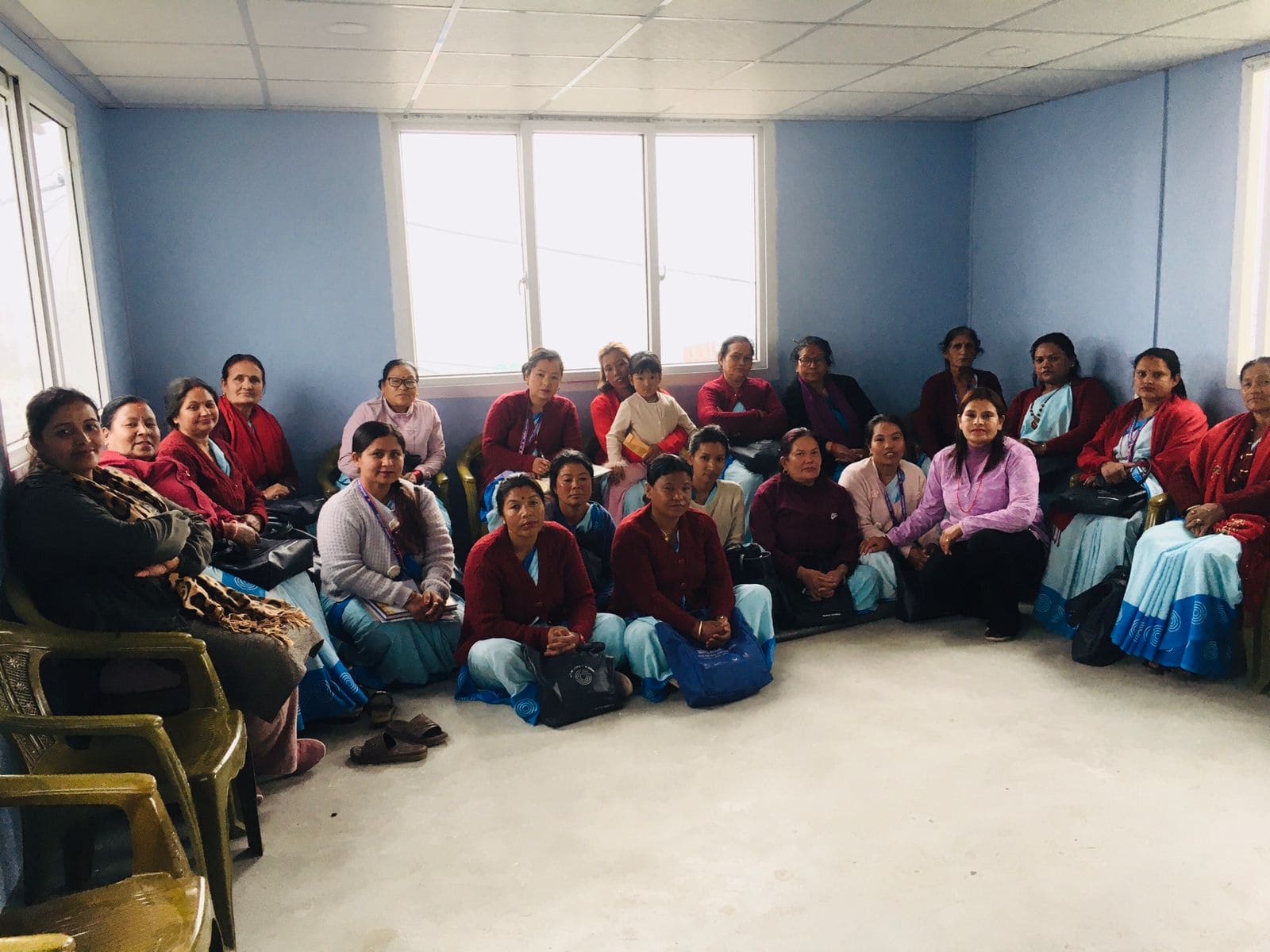
On April 8th, 20 Female Community Health Volunteers (FCHVs) came together for an orientation session, led by Registered Nurse and Akasha Health Program Coordinator Suchana Pandit. These volunteers are the program’s bridge into the community — the ones who reach out to women, build trust, and connect them with the care now available to them.
 |
Opening the doors
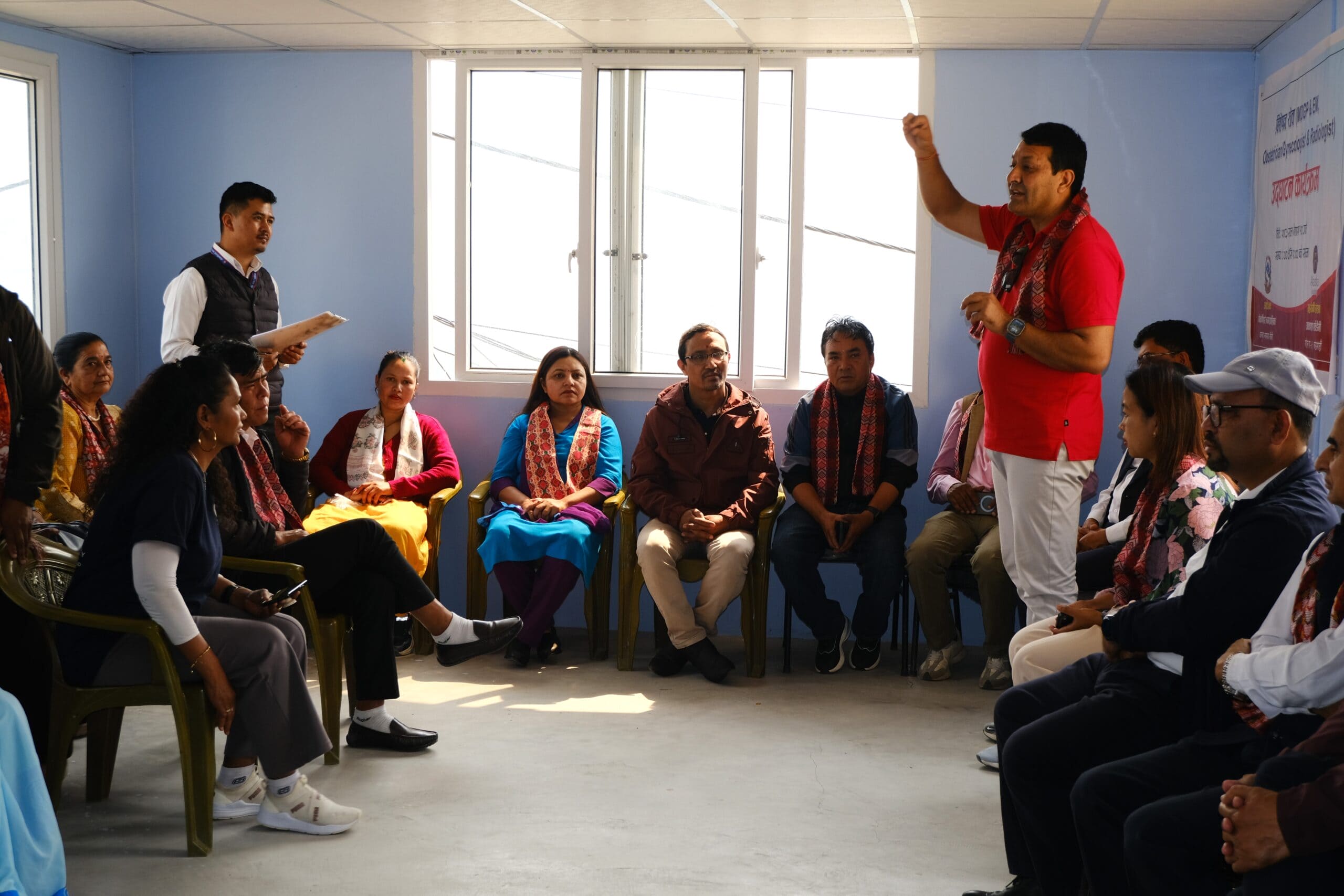
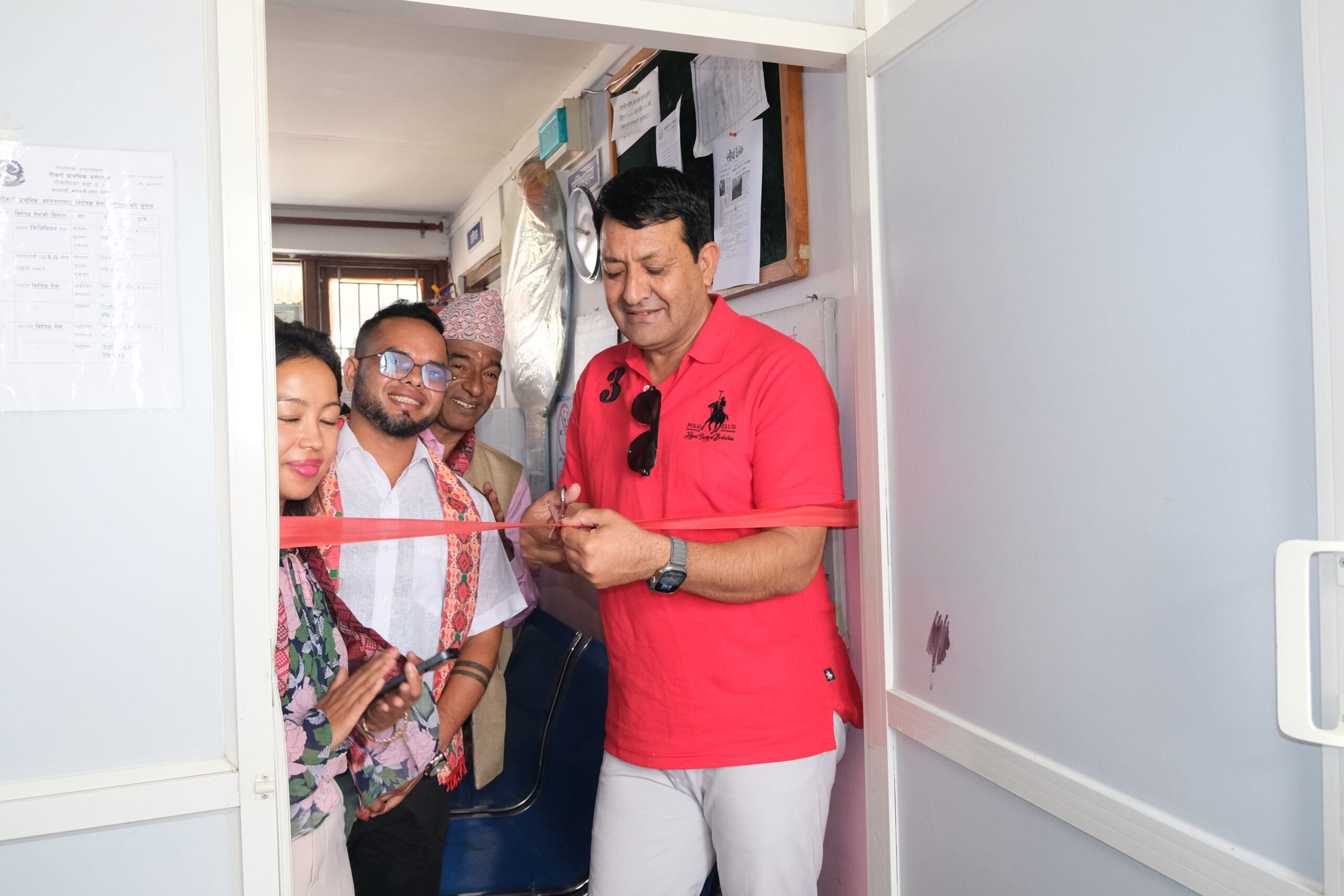
On April 23rd, the program officially opened with the inauguration of pre- and postnatal care, ultrasound and gynecological services. The morning brought together 36 people — municipal and ward officials, health professionals, FCHVs, and community members — with the Mayor of Gokarneshwor Municipality on hand to cut the ribbon and share his support for the initiative.
 |
 |
 |
 |
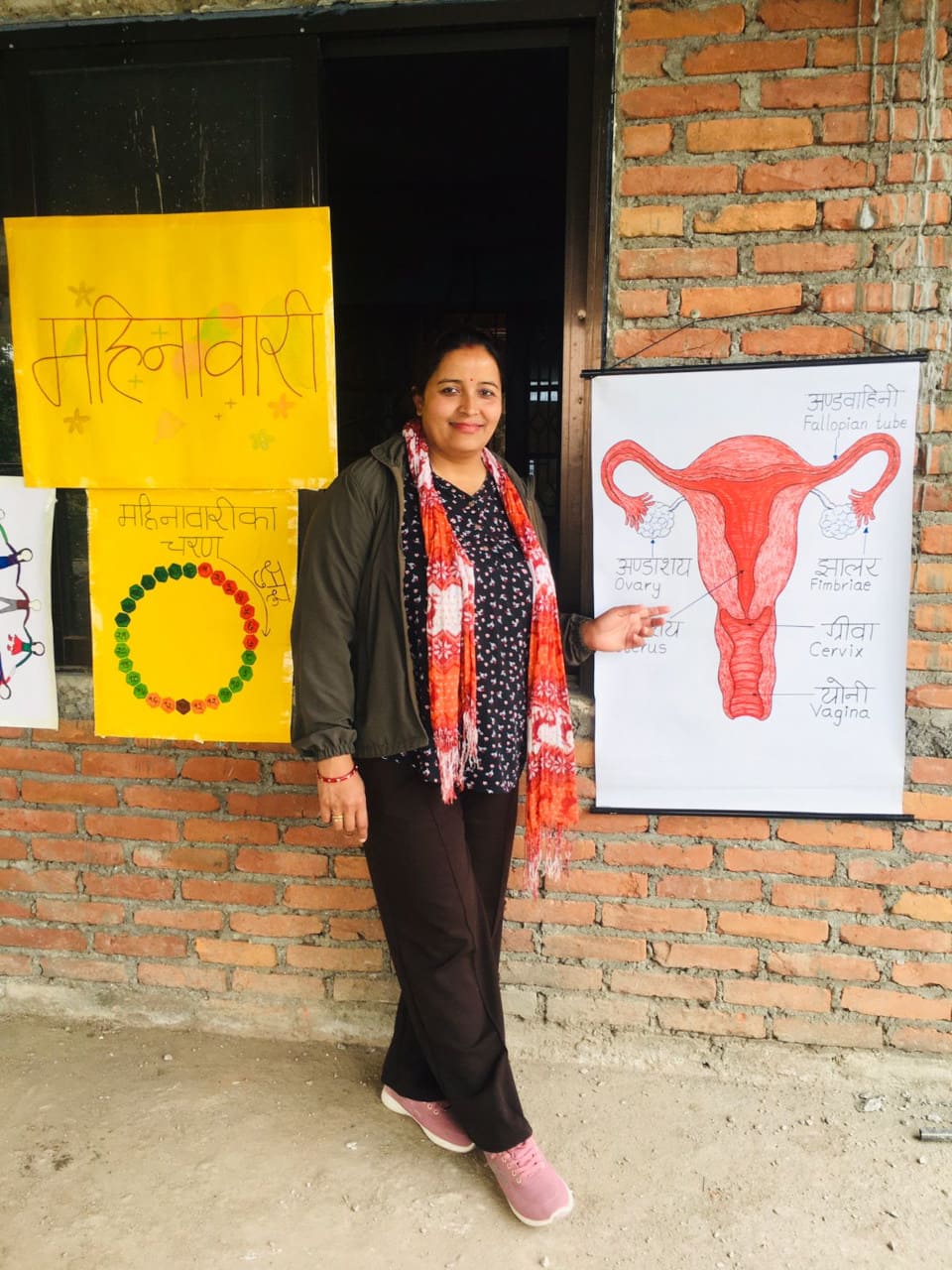
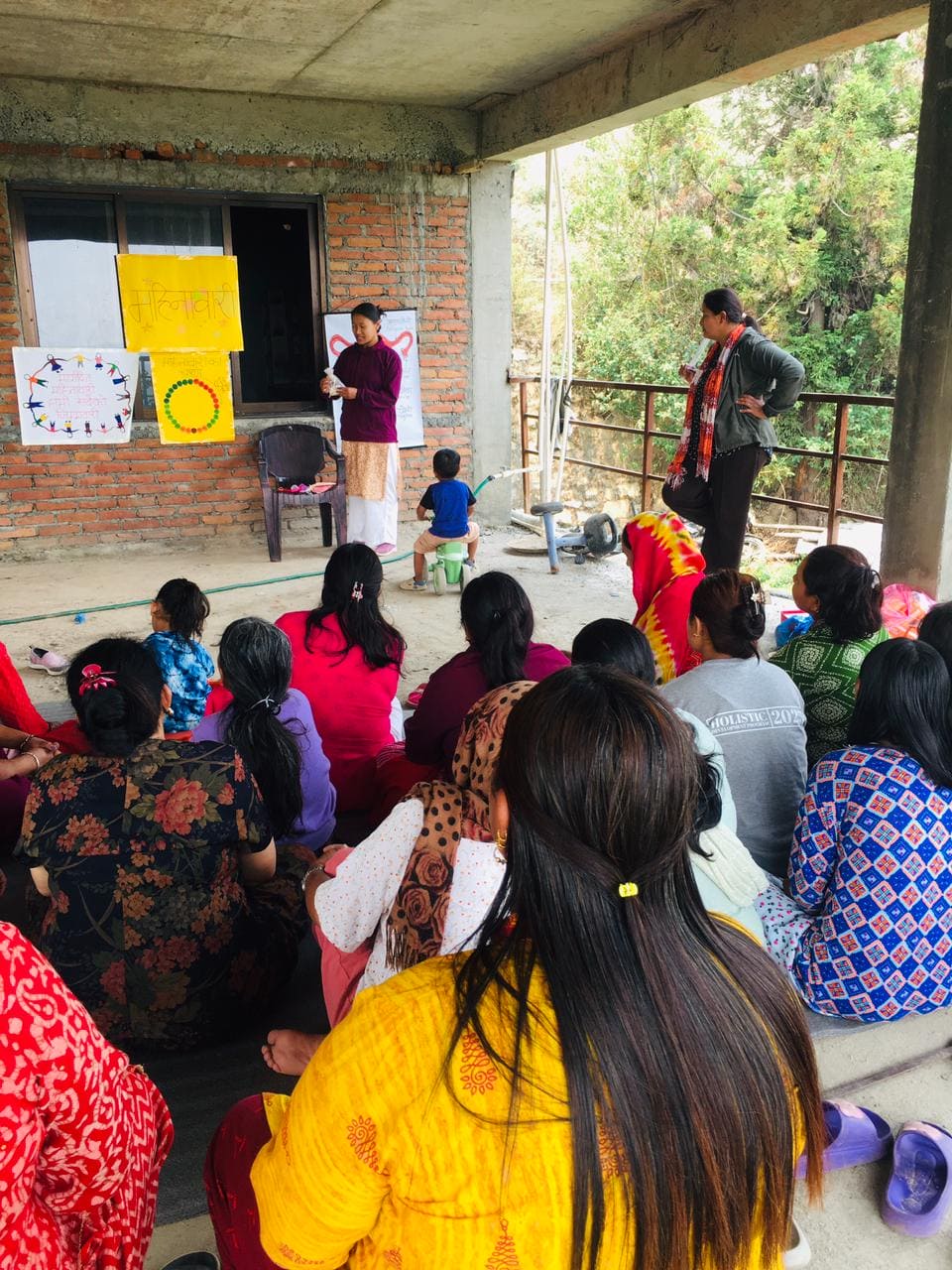
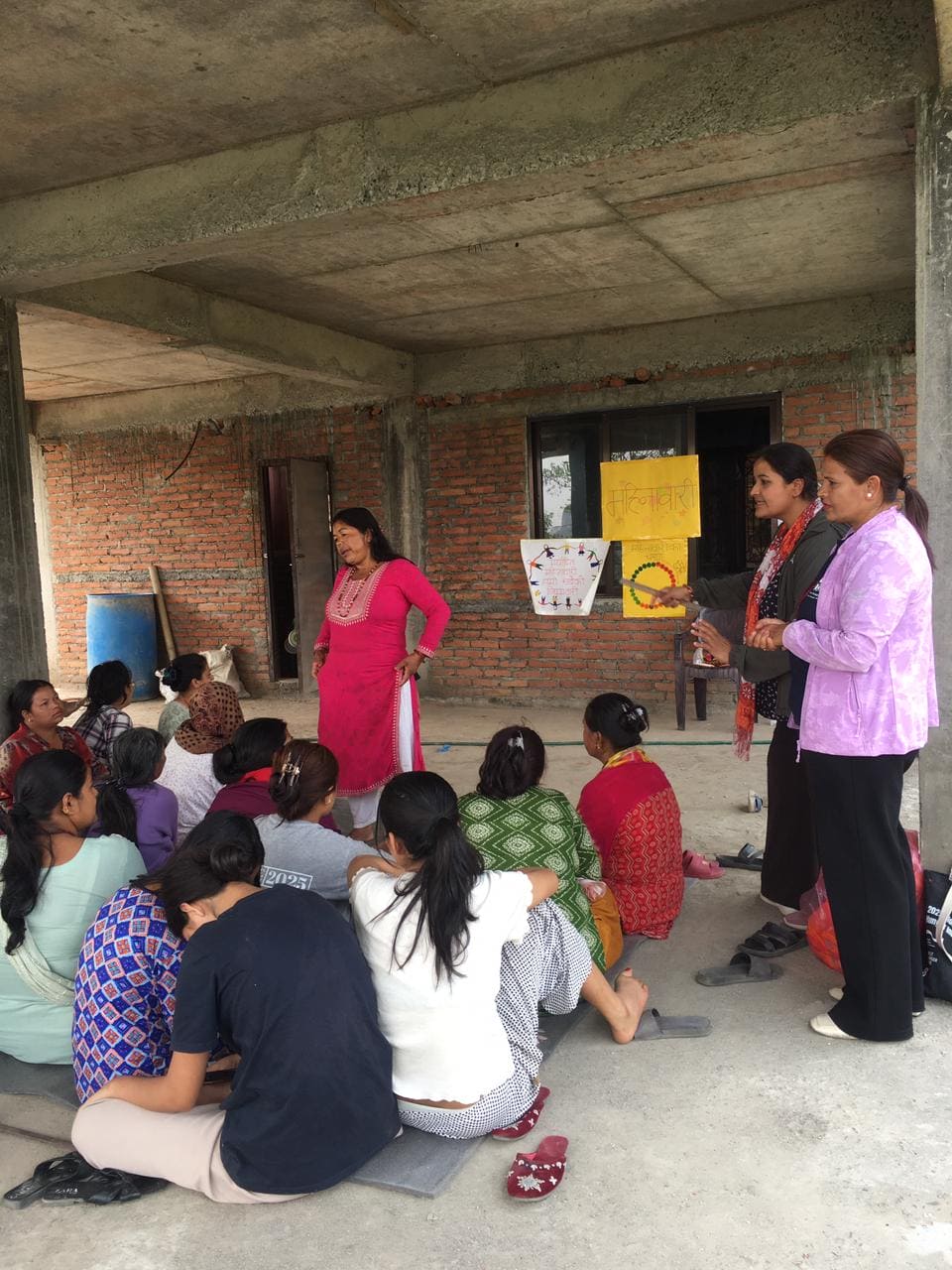
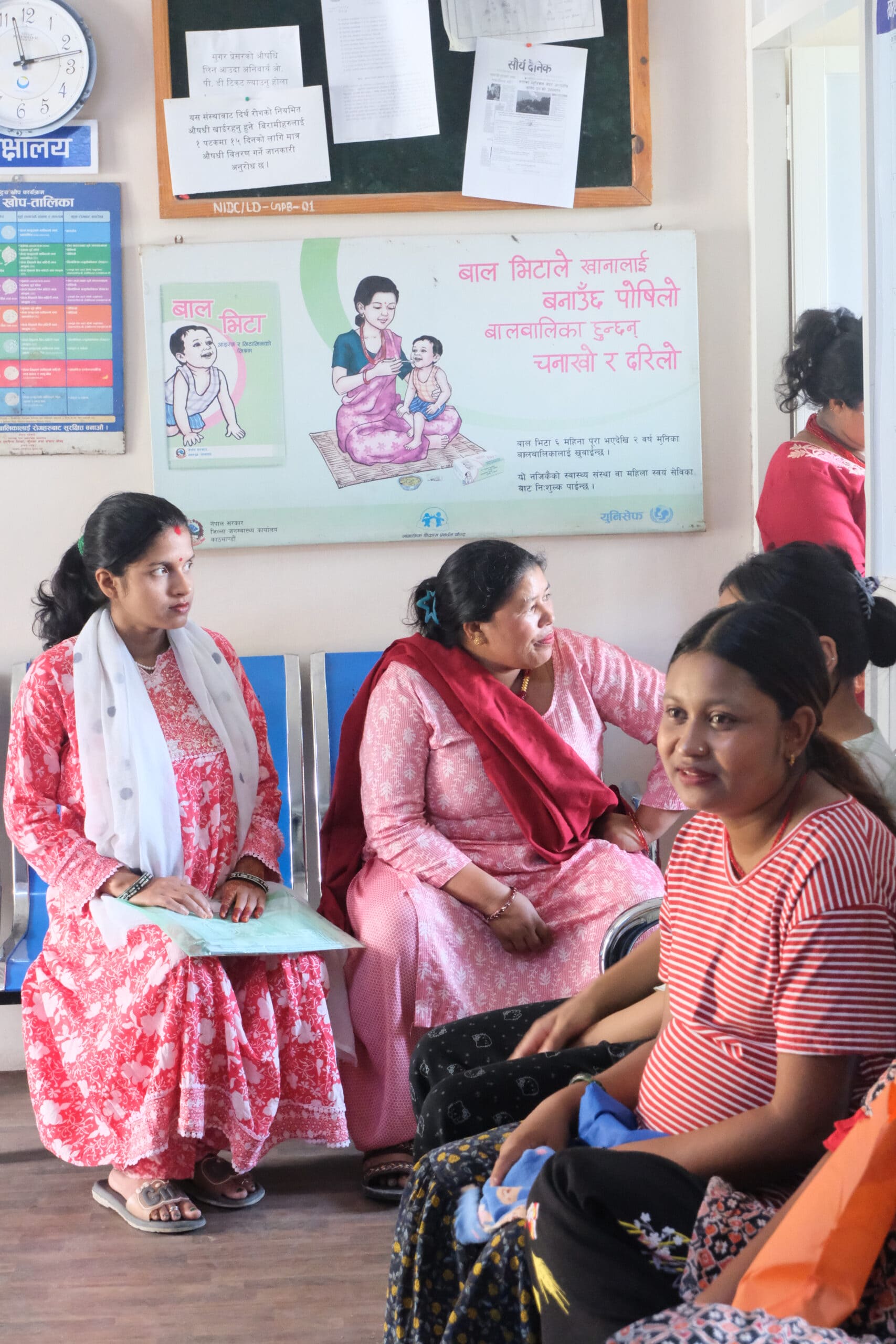
The following day, momentum continued with a community awareness session on reproductive health and menstrual hygiene management, coordinated by one of the FCHVs. 26 women attended, many from the local Health and Agriculture Mother’s Group, learning about reproductive health, menstrual hygiene and products, and menopause — many for the first time, in an open and supportive setting.
 |
 |
 |
A program the community now relies on
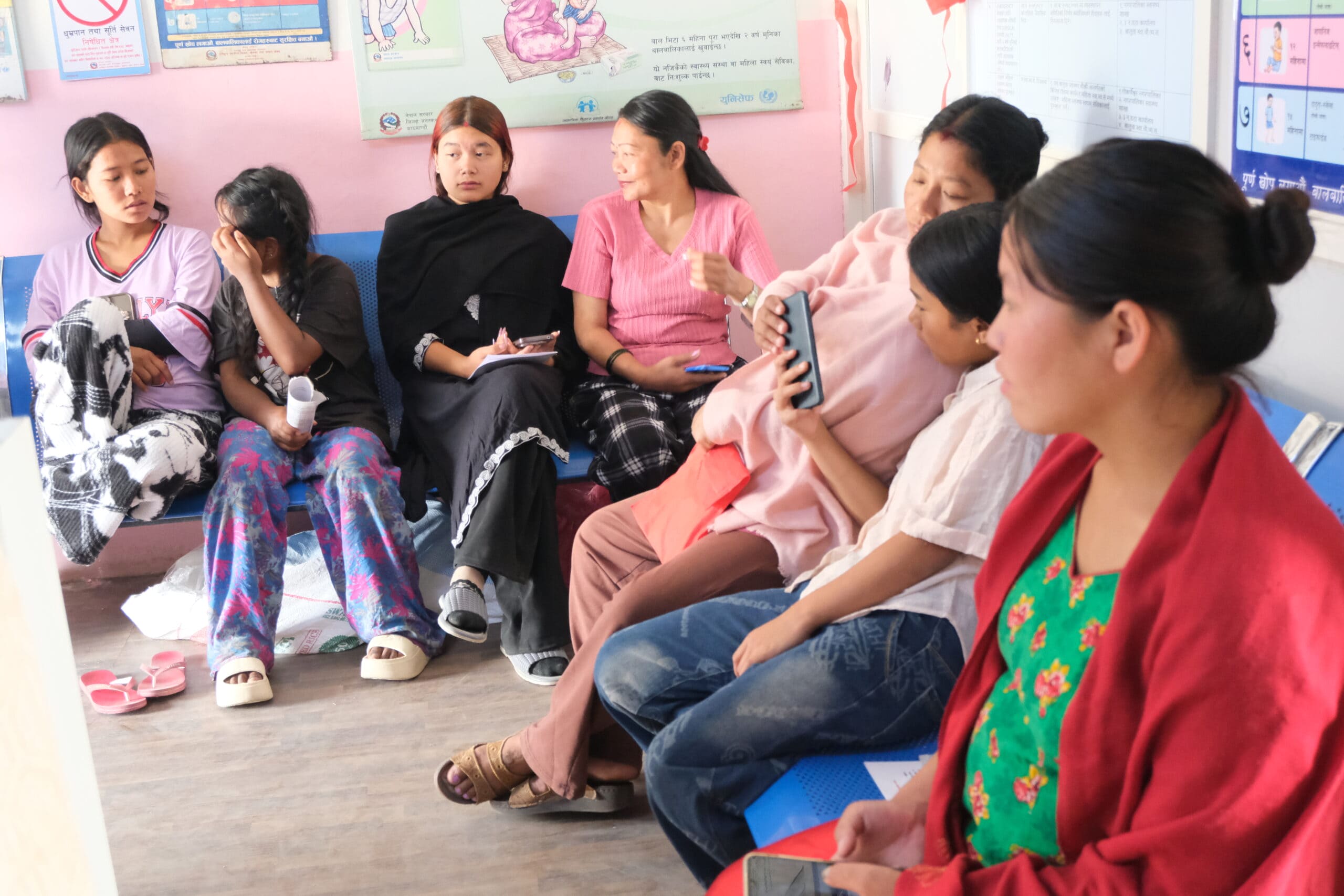
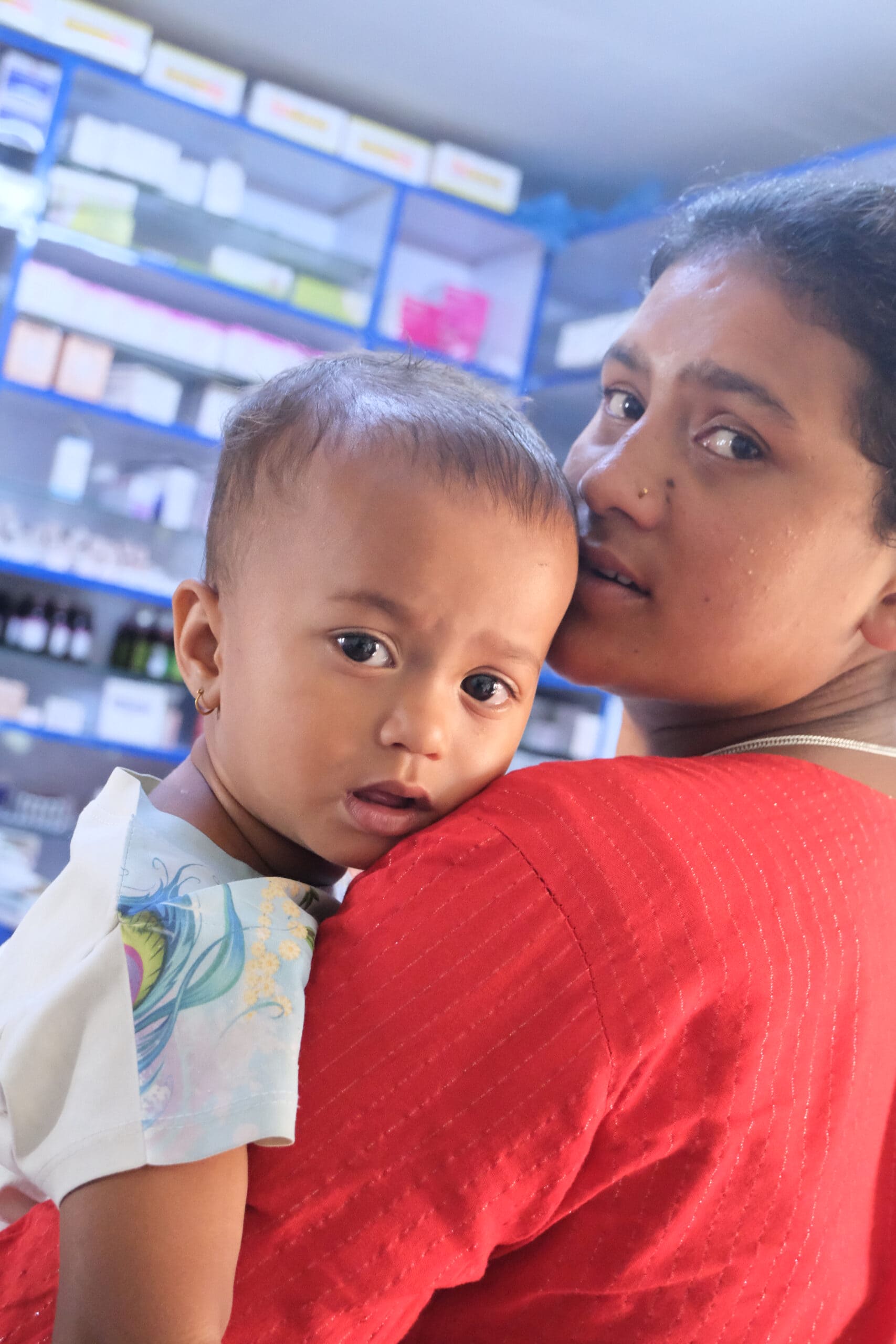
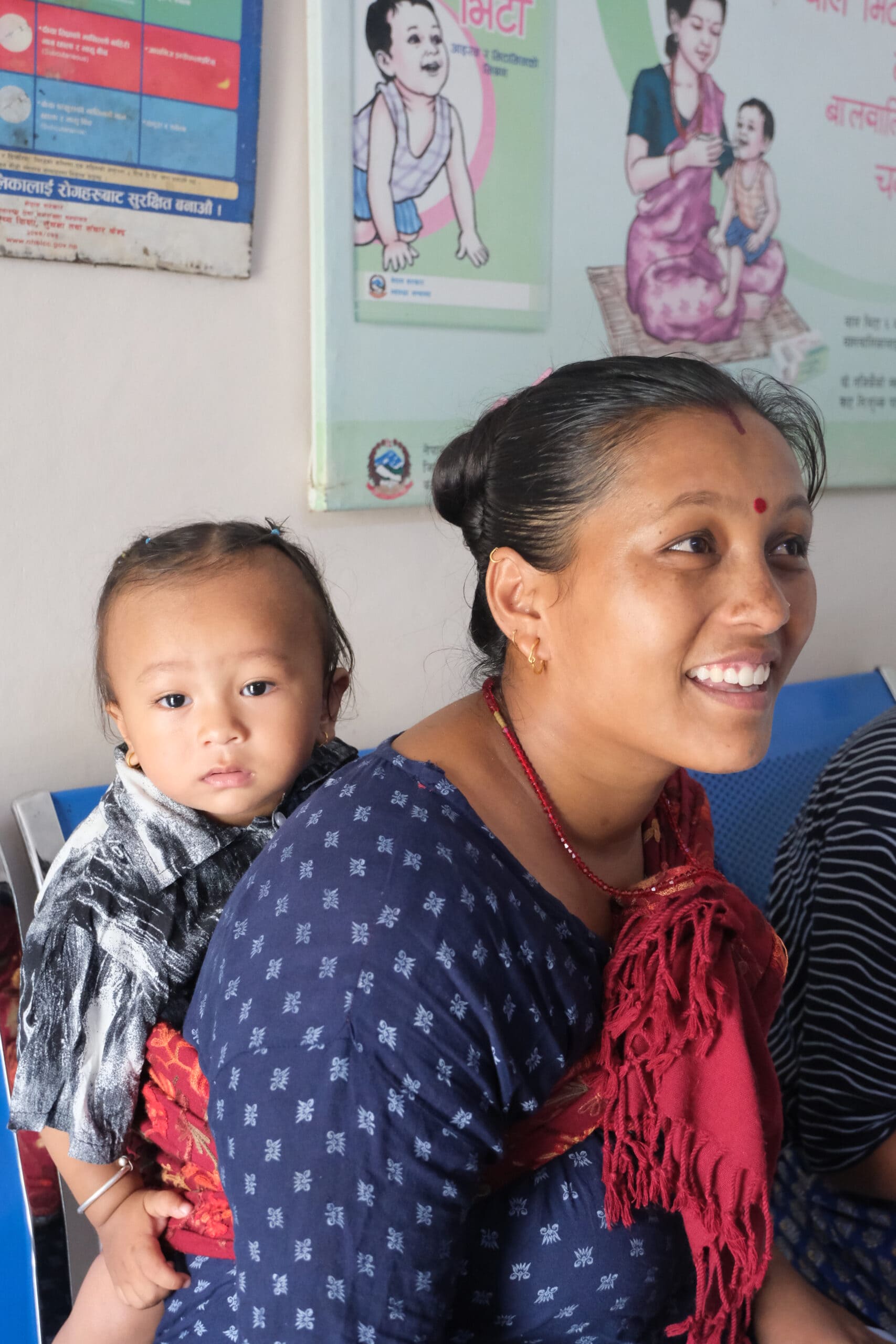
Several months in, the program is no longer a new arrival, it’s becoming part of the rhythm of life in Ward No. 3. Just a few days ago, the community marked its 5th monthly round of prenatal care check-ups, alongside cervical and breast cancer screenings.
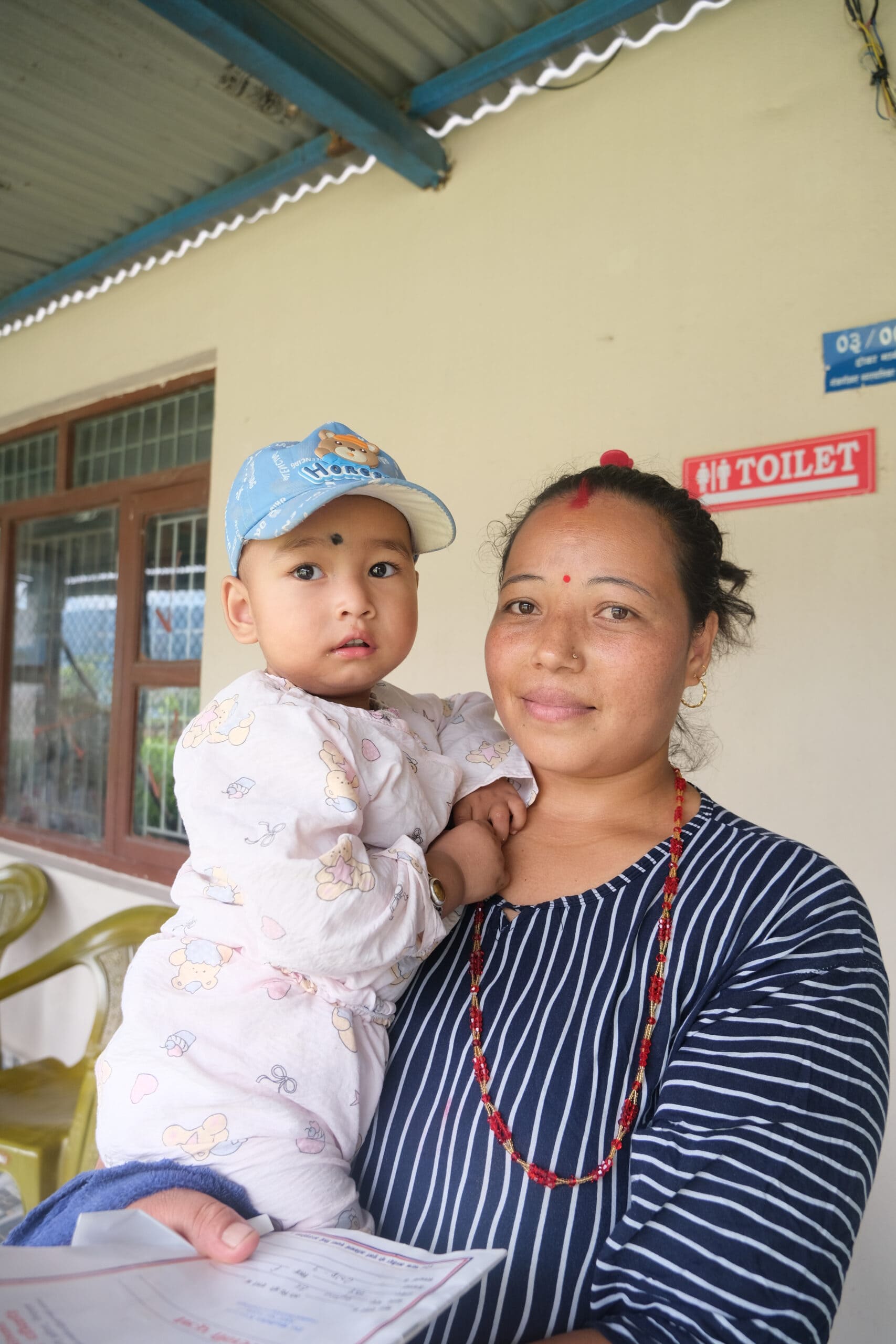
Among those who came through was Asmita Tamang, a resident of Tarebhir, who shared her experience:
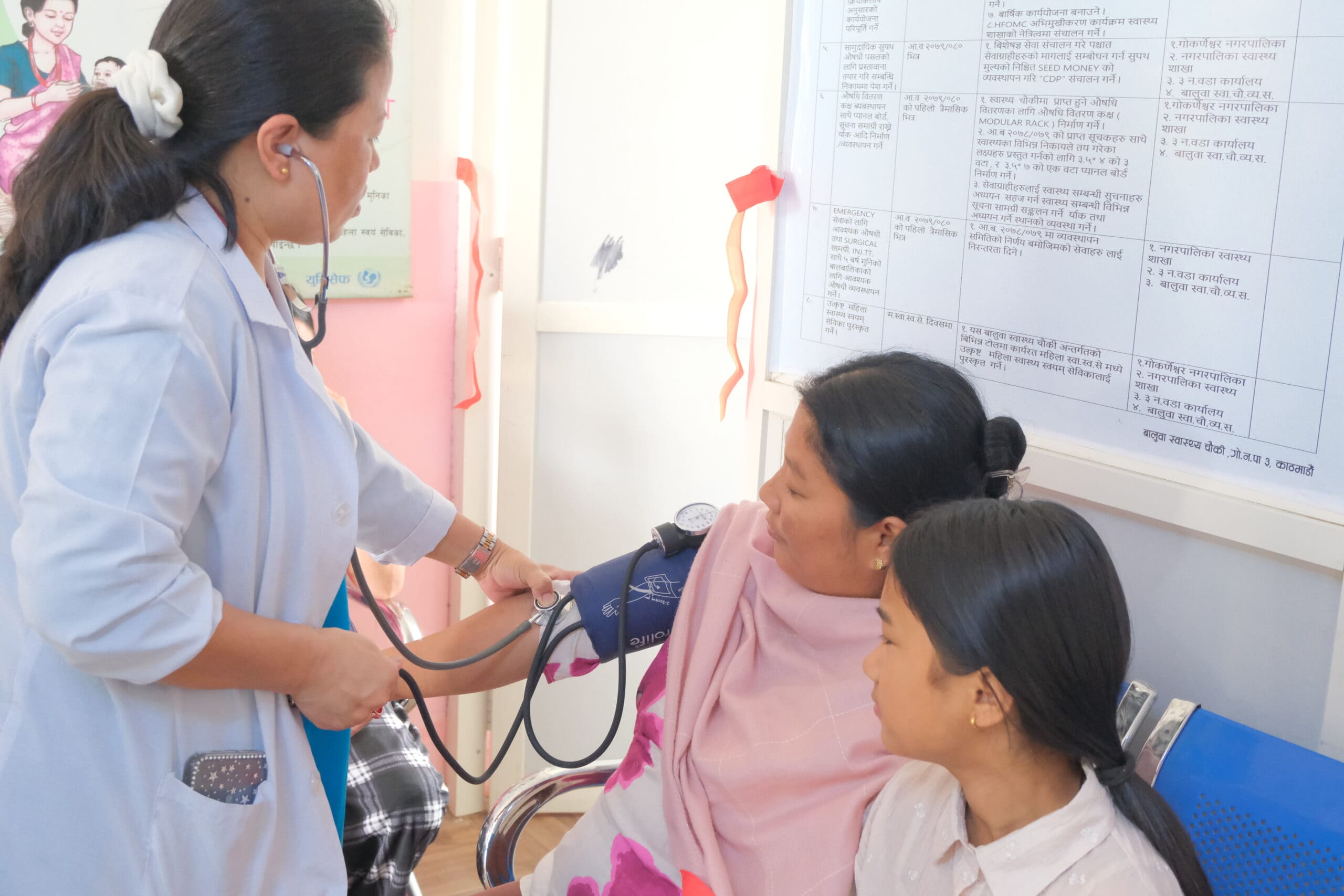
” I came here for my second health check-up today. I find all the facilities here very good, and I do not have to travel far for a health check-up since the health post is close to my home. During my visit today, I received a blood pressure check-up and also learned about the condition of my fetus.”
Continuous, accessible care means more pregnant women can attend the checkups during this vulnerable window, when many of the unborn child’s organs and systems are still forming. Simple measures such as measuring blood pressure make a difference: detecting and treating hypertensive disorders in time can save maternal lives.
Building toward lasting care
In the next months, the program will continue to grow around four pillars:
- Prenatal & postnatal care — regular check-ups with nursing staff, monthly specialist visits, and guidance on nutrition, birth preparedness, and newborn care
- Cervical cancer screening — regular community screening camps with trained health workers
- Community outreach and creating safe spaces — mother group meetings and awareness campaigns covering menstruation, nutrition, breastfeeding, and reproductive health in a safe environment
- Training local health workers — building lasting capacity in reproductive health
 |
 |
A program communities are asking for
Perhaps the clearest sign of the program’s promise is the response it has drawn. Women who attended asked for more sessions — particularly on breast and cervical cancer. The visiting gynecologist, impressed by the initiative, asked whether a similar program could be brought to her own community. And the Mayor, along with the municipality’s health department, signaled interest in expanding the program to other wards if this pilot continues to succeed.
This is what Akasha Care’s aim looks like in motion: not just treating illness, but building lasting access to care, knowledge, and safe spaces — so that every woman, at every stage of life, has the support she deserves.
 |
 |
Be part of the next chapter
None of this would be possible without Baluwa Health Post’s continued partnership, the support of the Ward Office and Gokarneshwor Municipality, the dedication of the FCHVs, and the generosity of the donors like SYNLAB foundation who made this possible.
Help us bring safe motherhood to more women across Gokarneshwor. Support Akasha Care and help fund prenatal and postnatal care, health worker training, and community workshops that are already changing lives.
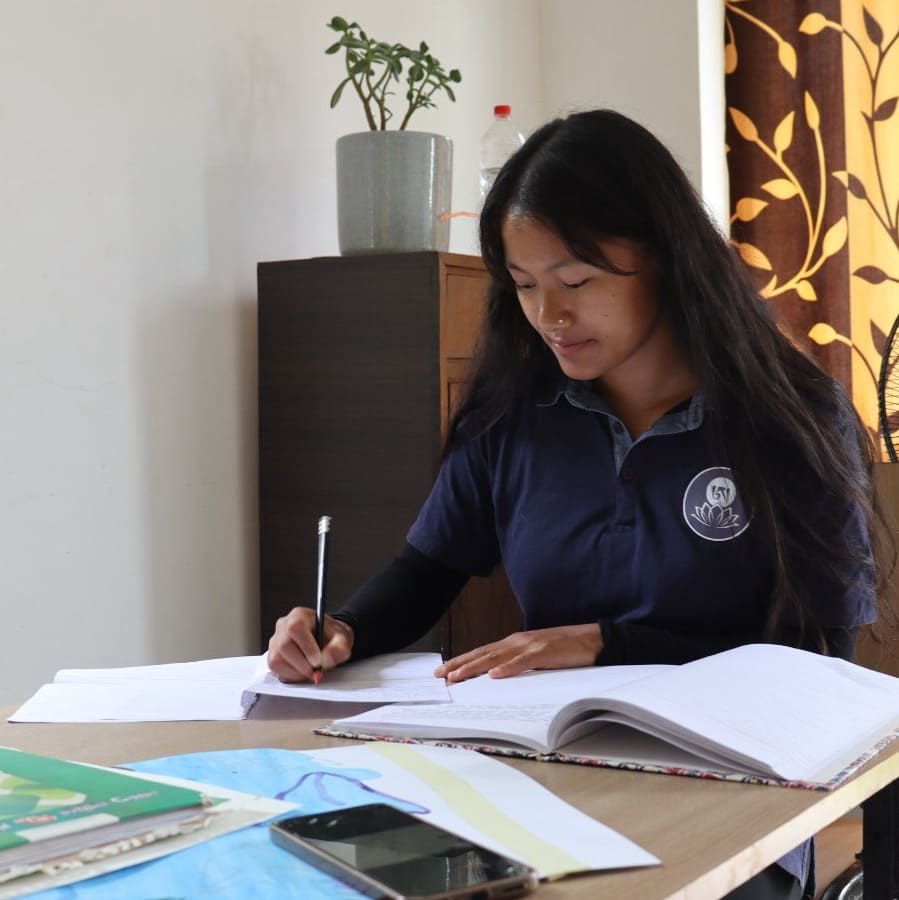 |
Writer Dibika Rai. Community Mobilizer |
Read more

With our winter campaign “1000 Seeds of Change”, we support children's education in Nepal. We provide winter school uniforms, offer environmental workshops and transform schools into spaces for sustainability and climate resilience.

On 26 August, flash floods entering from the Tibetan border left a trail of total destruction in central Nepal. Within days of the disaster, we mobilized our international network. Donors and well-wishers answered the call, and together we have already raised 8500 euros for flood relief.